
Posted by: | 03/04/2026
Written By: Sai Narayan
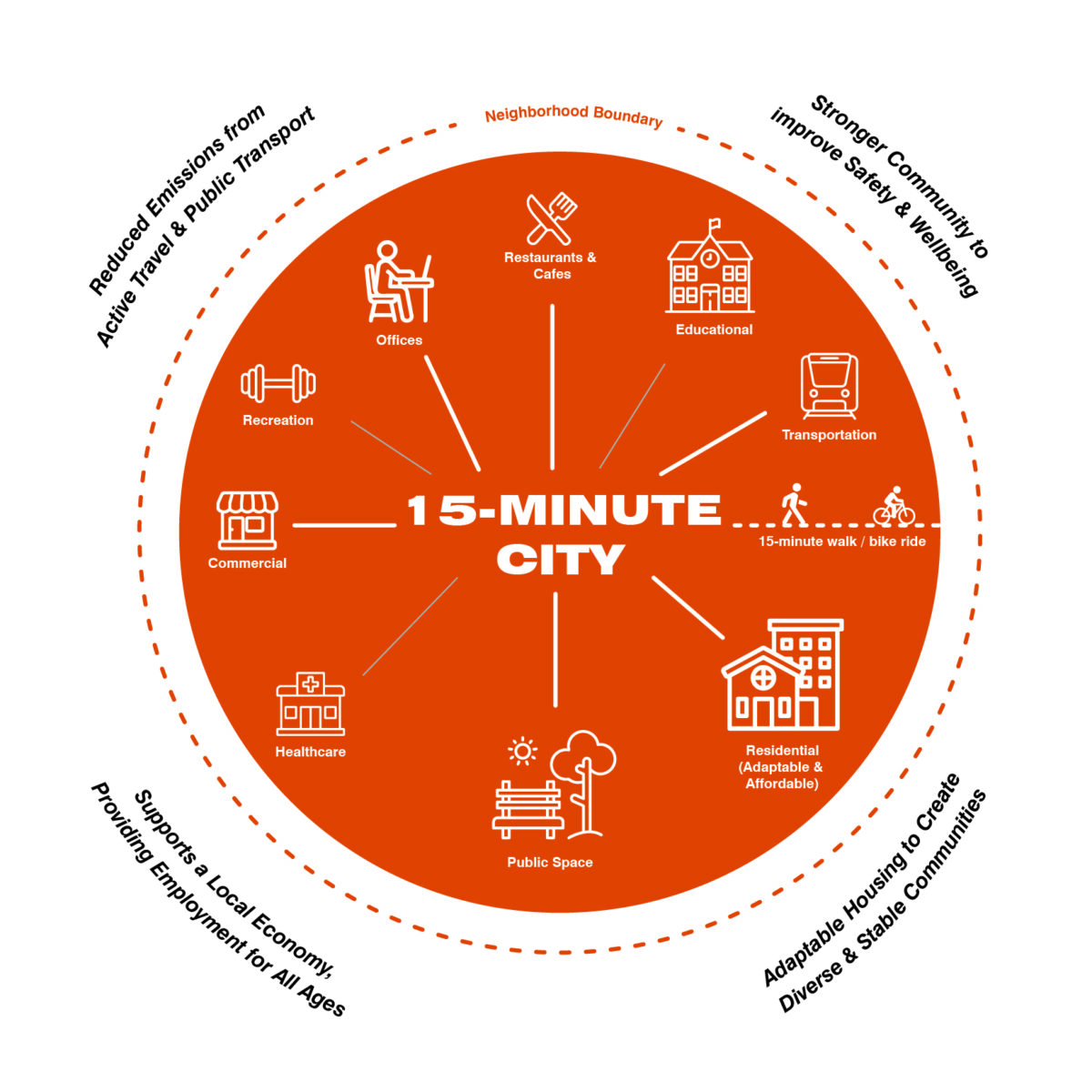
As urban regions intensify and diversify, proximity has re-emerged as a measurable performance metric in master planning. The historic segregation of land uses has generated inefficiencies in mobility, infrastructure investment, and social cohesion. In response, the concept of a 15-minute city should be seen as an operational framework for structuring resilient, high-performing communities.
At its core, the 15-minute city organizes a variety of land uses within compact, interconnected districts where daily needs are accessible within a variety of mobility modes. This reduces vehicle dependency, lowers emissions, and supports public health outcomes, while strengthening local economies through sustained ground-level activation and distributed services.
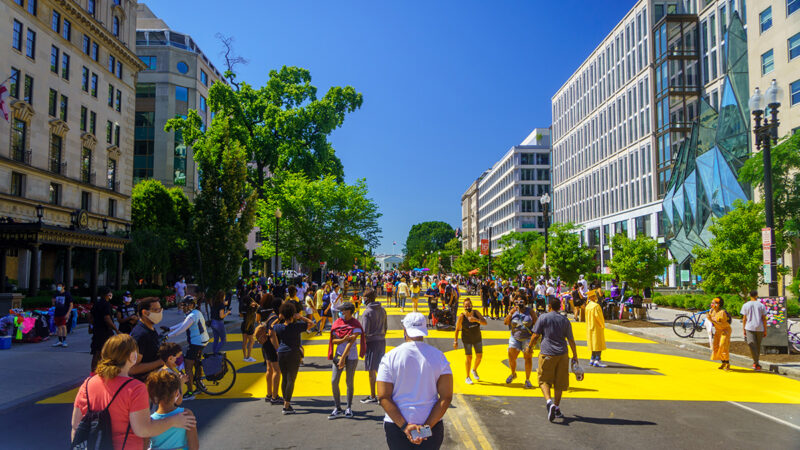
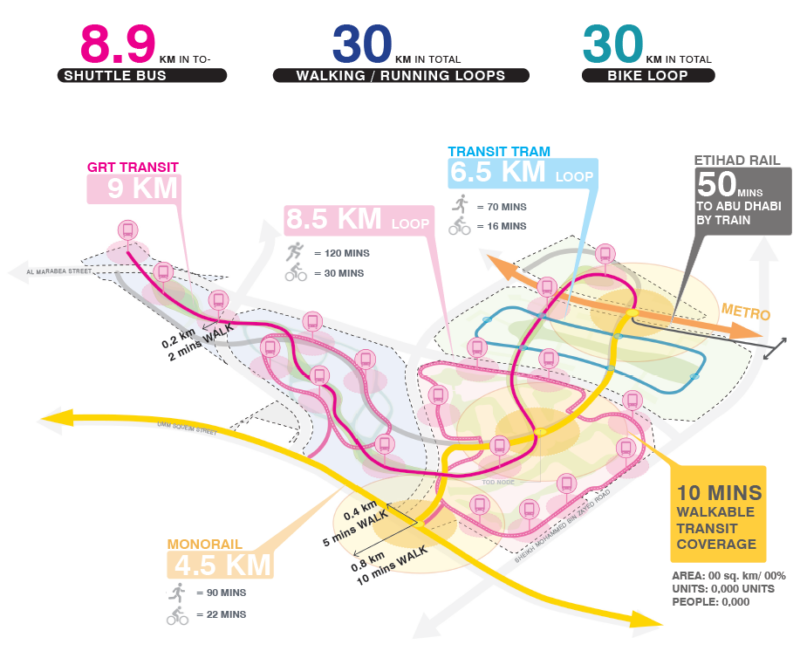
Within our master planning process, proximity targets are defined early. We evaluate planning and zoning parameters to enable mixed-use density, vertical integration, and active ground-floor uses. Plans are structured around distributed neighborhood centers rather than singular centralized cores, ensuring amenities and civic infrastructure are embedded within walkable catchments. Flexible building typologies, shared parking strategies, and phased development frameworks allow districts to evolve in response to market shifts and demographic change.
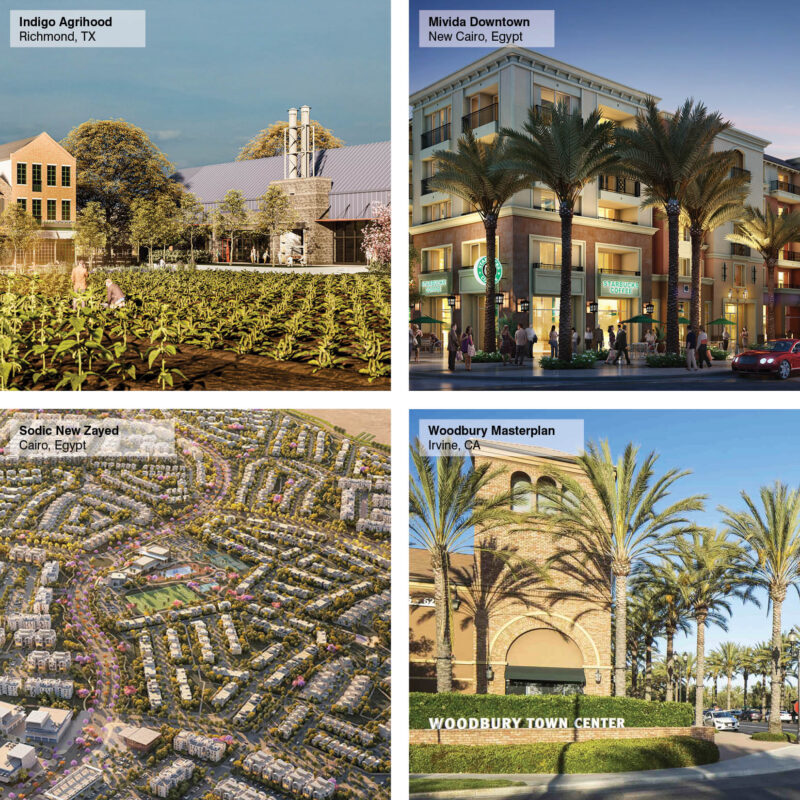
Our portfolio demonstrates the scalability of this framework across contexts.
1. The Woodbury Masterplan in Irvine organizes housing, schools, parks, and retail into interconnected neighborhoods supported by a continuous network of trails and public spaces.
2. Mivida Downtown in New Cairo concentrates employment, hospitality, healthcare, and civic uses within a compact urban core that layers intensity around pedestrian corridors and public plazas.
3. At Al Houara in Tangier, Morocco, and Bella Pacifico in San Diego, distributed mixed-use clusters and climate-responsive urban form reinforce walkability while aligning with regional environmental conditions.
4. The Indigo Master Plan in Richmond, Texas demonstrates how food production and mixed-use living can support the 15-minute city. Centered around a six-acre community farm, the plan integrates housing, open space, and neighborhood amenities within a walkable network of mews and pocket parks that fosters daily interaction and community life.
For JZMK Partners, proximity-driven urbanism is a design discipline grounded in density calibration, infrastructure coordination, and public realm activation. The outcome is not simply reduced travel distance. It is a cohesive urban framework where access, adaptability, and spatial quality generate long-term economic, environmental, and social value.